
CHRCharter · Explainer
Empty Legs: How One-Way Repositioning Flights Really Work
Why aircraft fly empty, what discounts empty legs typically offer, why they can move or vanish at short notice, and how to use them well without building a trip on hope.
3 min readRolavia editors
An empty leg is a flight that an aircraft has to make anyway without passengers, usually to return to base after a one-way charter or to reach the start of its next trip. Rather than fly empty, operators sell the flight at a reduced price, because some revenue beats none. That makes empty legs genuinely good value for travellers who are flexible. It also means the schedule belongs to someone else, and that is the part most people underestimate.
Why empty legs exist
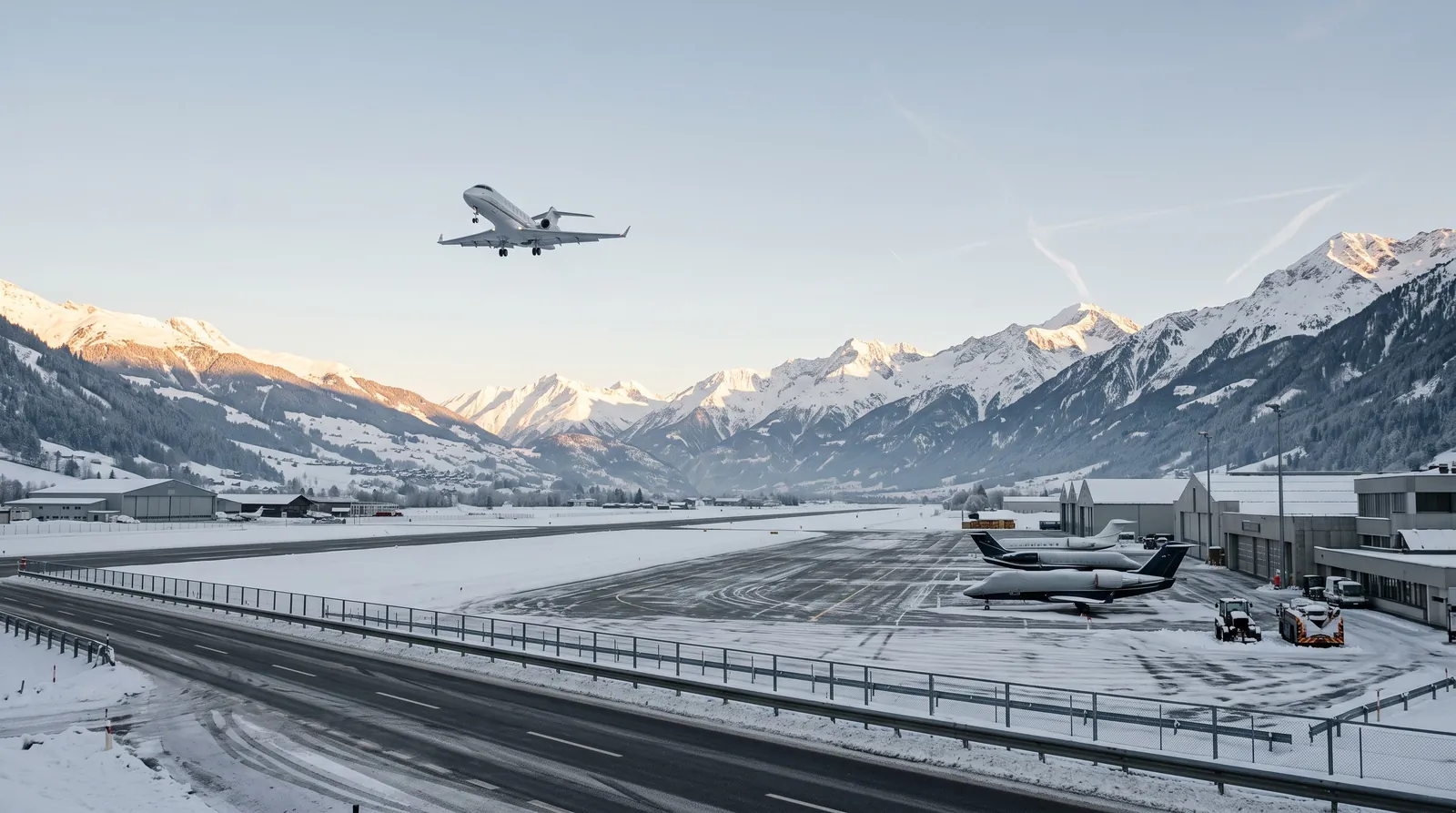
Charter aircraft live at a base, and paying trips rarely start and end there. A client flying one way from London to Nice leaves the aircraft in Nice, and unless another client needs it there, it flies home empty. The same happens when an aircraft positions to collect a client, goes to a maintenance facility or changes crews. The patterns follow demand: during the ski season, aircraft that drop guests in the Alps at the weekend often fly back empty, and in summer the same happens around the Riviera and the Mediterranean islands. Selling those sectors is how operators recover part of the positioning cost that makes one-way charter expensive in the first place.
What they cost
An empty leg is priced for the whole aircraft, not per seat. The discount on a normal one-way charter is often large, sometimes half or more, but there is no standard rate. The price reflects how close the departure is, how popular the route is and whether the operator expects another buyer. Some things still cost money: passenger taxes, catering, de-icing in winter and any change you request. An operator may move the departure to a nearby airport or shift the time slightly, but the extra flying is usually charged.
To judge whether an empty leg is a bargain, compare it with the normal price of the route in the Charter Cost Estimator and the guide to charter costs.
Why they move or disappear
The paying trip comes first. If the original client changes their time, the empty leg moves with it; if they cancel, the leg may vanish altogether, sometimes on the day. A technical problem or a crew duty limit can have the same effect. Operators sell empty legs on those terms, and contracts commonly limit the remedy to a refund of what you paid, with no obligation to find another aircraft. Some terms also let the operator withdraw the leg if a full-price client books the aircraft instead. Read the terms before paying, and ask how late a change can still happen.
How to use them well
- Be flexible on day and time, and keep a fallback: a refundable airline ticket or a normal charter quote you can confirm if the empty leg moves.
- Use them one way, for the leg without a fixed appointment at the other end, rather than for a return you cannot miss.
- Watch the structural flows. Routes between the big business aviation bases and busy resort airports on peak changeover days come up again and again.
- Vet the operator as you would for any charter. The checklist on choosing a charter operator applies in full.
- Know who you are booking with. Many empty legs are sold through brokers and apps; see broker or operator.
- Ask what is included: taxes, catering, baggage limits and pets.
What not to expect
Empty legs are rarely available as a matched return, seldom in exactly the aircraft class you would choose and almost never guaranteed. They are also no substitute for planning on the busiest dates, when operators can often sell the repositioning flight as part of a full-price trip. Seen as a welcome bonus for a flexible traveller, they work well. Built into a schedule that cannot move, they are a risk.
Two habits help. First, decide in advance what you would pay for the same trip as a normal charter, so a falling empty leg price does not tempt you into a flight that does not suit you. Second, treat the booking confirmation as provisional until the day before departure, and keep the fallback alive until then.
Questions
How much cheaper are empty leg flights?
There is no fixed discount. Empty legs are often priced well below a normal one-way charter, sometimes at half or less, depending on the route, the aircraft and how close the departure is. Taxes and extras such as catering or de-icing are usually added on top.
Can an empty leg flight be cancelled?
Yes. Because it depends on another client's trip, an empty leg can move or be cancelled if that trip changes, sometimes at short notice. Terms usually limit the remedy to a refund of the price paid, so keep a fallback plan.
Can I book a return trip using empty legs?
Only by luck. Empty legs are one-way by nature, and matching outbound and return legs on suitable dates is rare. A more reliable approach is to use an empty leg for the flexible direction and book the other leg as a normal charter or with an airline.
Figures checked 19 October 2026. Prices are indicative and never a quote. Seen something out of date? Tell the editors.