
CHRCharter · Checklist
The Charter Contract: Cancellation, De-icing and the Small Print
A checklist for reading a charter contract: cancellation scales, aircraft substitution, delays, de-icing and other variable costs, catering, pets, payment terms and force majeure.
3 min readRolavia editors
The hourly rate gets the attention, but the contract decides what happens when plans change, the weather turns or the final bill arrives. A charter agreement is usually short and written by the operator or broker, and most of what matters sits in a handful of clauses: cancellation, substitution, delays, variable costs, passengers and payment. This checklist covers what to read before you sign.
Cancellation scales
Almost every charter contract has a sliding cancellation scale: the closer to departure you cancel, the more of the price you owe. The steps differ between operators, so read the actual figures. As an illustration only, a scale might retain a modest share of the price soon after confirmation, half within a few days of departure and the full price within the final 24 hours. Check:
- When the clock starts: at signature, at payment or at confirmation of the aircraft
- Whether the scale applies per leg or to the whole trip
- Whether moving the date counts as a cancellation
- What you receive if the operator cancels: a full refund, a replacement aircraft or both
Aircraft substitution
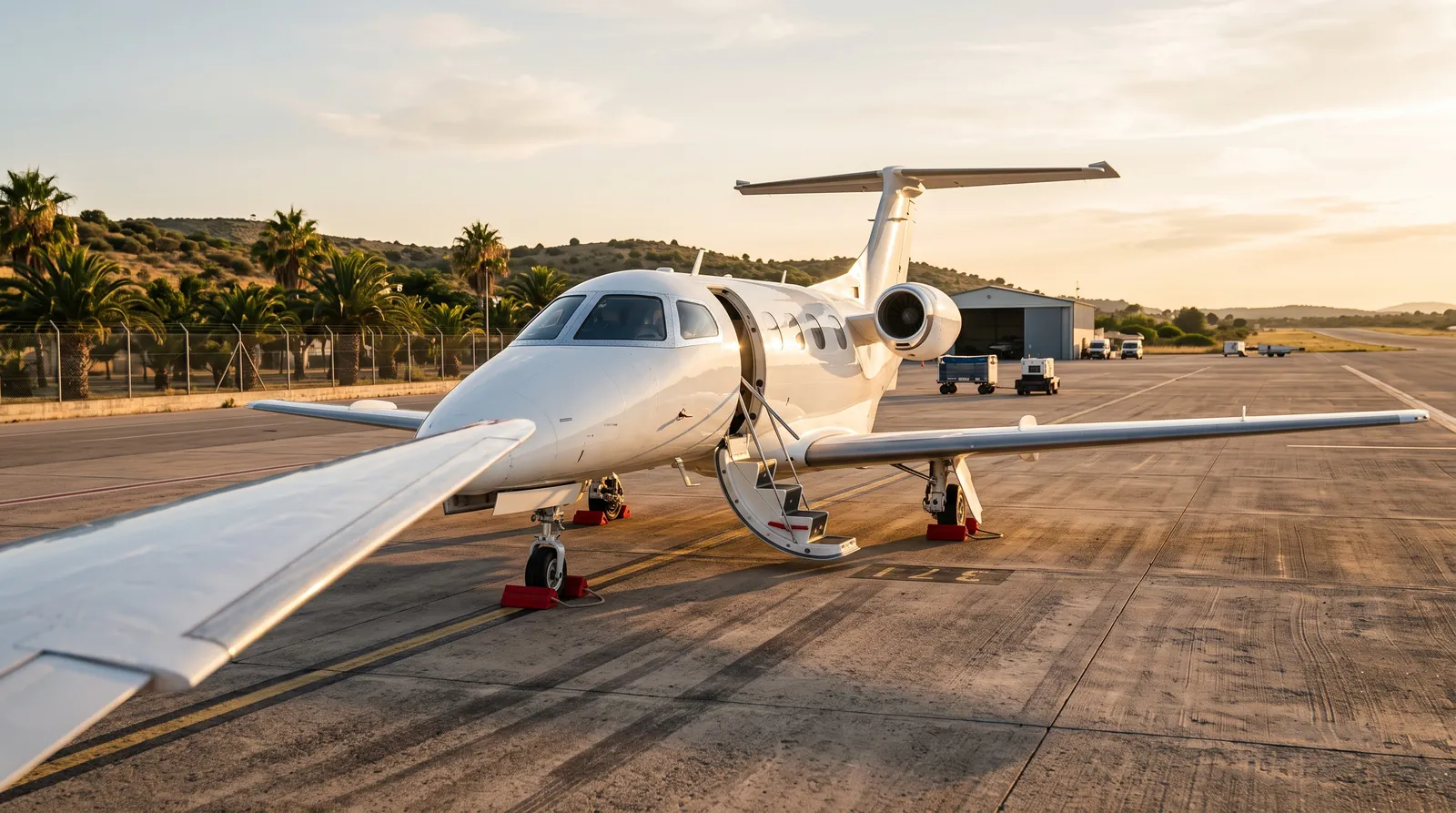
Most contracts allow the operator to replace the booked aircraft, for example after a technical problem. A fair clause promises an aircraft of the same or a higher category at no extra cost and gives you the right to a price reduction or a full refund if only a smaller aircraft is available. If the replacement comes from another operator, you should be told who it is, and that operator must hold its own AOC. The article on brokers and operators explains why that matters.
Delays, weather and de-icing
Technical delays are the operator's problem; weather, air traffic control, slots and airport closures usually are not. Look for who pays the extra costs of a diversion, an unplanned night stop or additional positioning, and remember that crew duty limits can turn a long delay into an overnight stay. Do not count on the compensation schemes designed for airline tickets: how far they apply to a whole-aircraft charter is not straightforward, so the contract's own delay and replacement terms are what you can rely on.
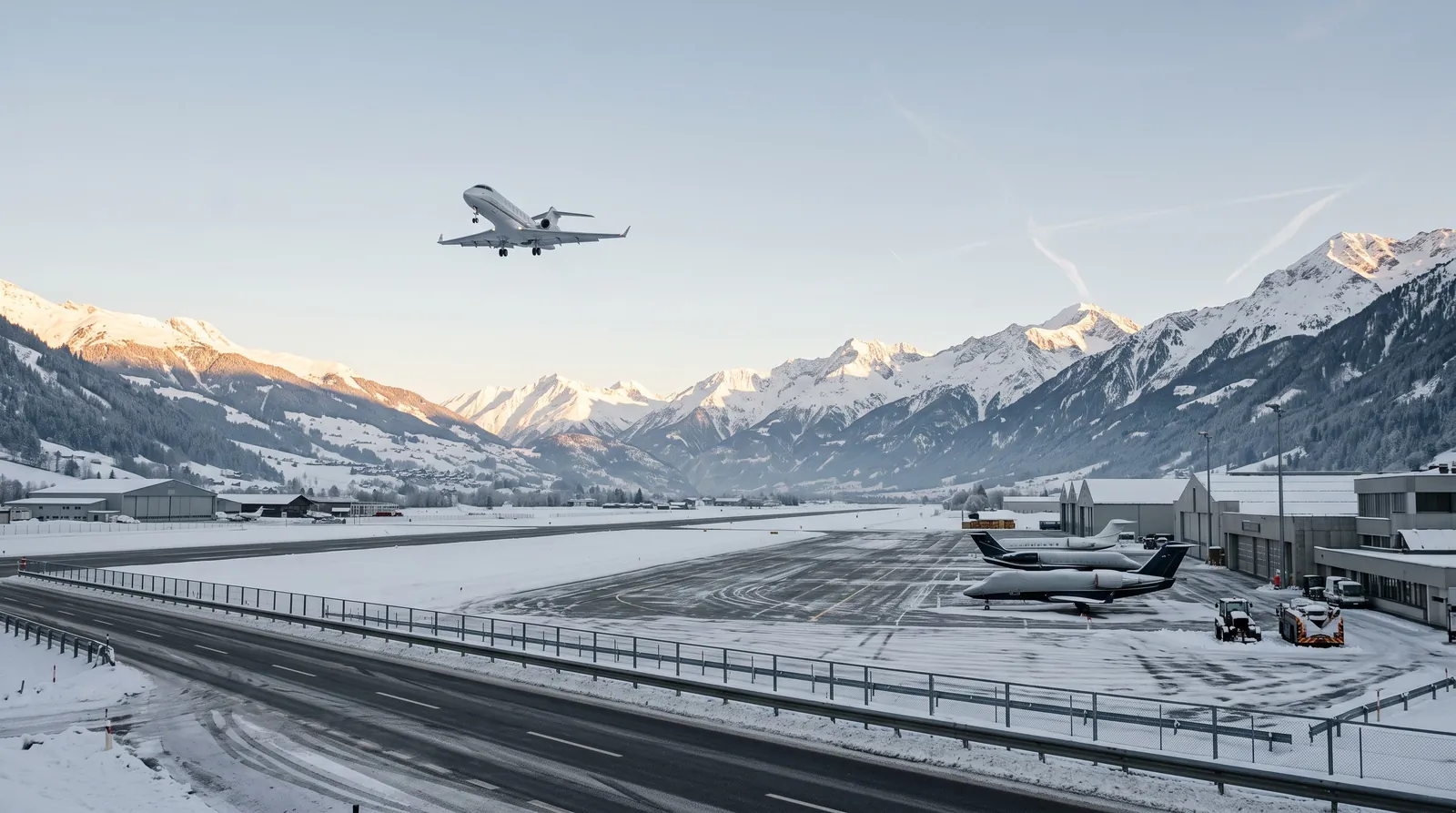
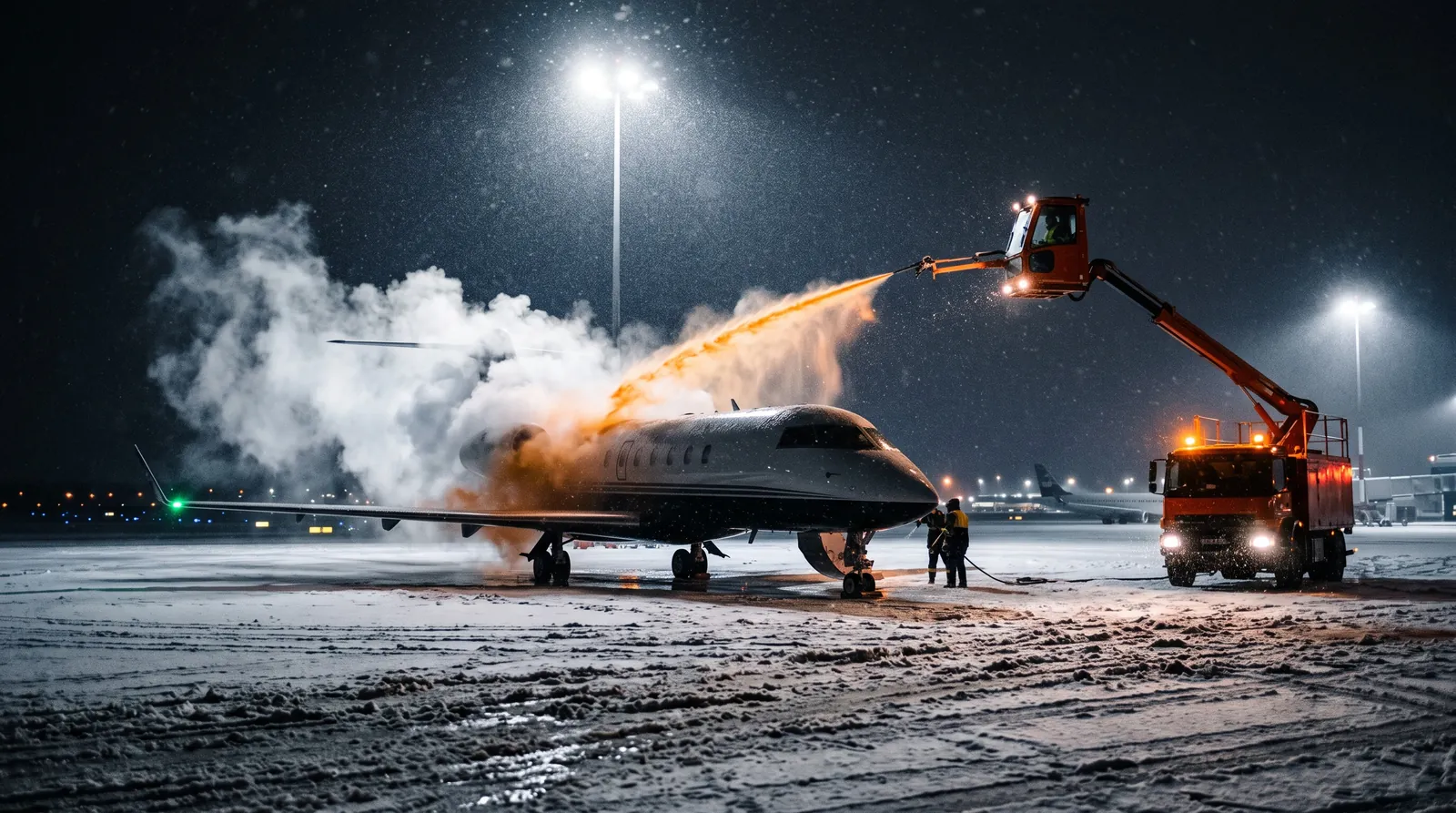
De-icing is usually billed at cost on top of the quoted price. Indicatively it ranges from a few hundred euros for frost on a small jet to several thousand euros for a large jet in falling snow, when both de-icing and anti-icing fluid are needed (autumn 2026, before VAT, not a quote). On winter weekends in the Alps, budget for it; Courchevel by private jet shows how the ski season shapes the schedule.
Variable costs and extras
- Catering, usually at cost plus handling, and special requests such as particular wines or flowers
- Waiting time beyond the agreed schedule, and additional stops
- Landing, handling and parking charges if the airport or timing changes; the guide to FBO fees explains them
- Connectivity data, ground transport and crew expenses on extended trips
- Fuel surcharge clauses that let the price move with fuel costs
- VAT and passenger taxes, and whether they are included or added
Passengers, pets and baggage
- The deadline for the passenger list and passport details, and how late names can change
- Pet rules: documents, any cleaning fee and whether pets travel in the cabin
- Baggage limits by weight and volume, oversized items such as skis or golf bags, and the captain's final authority on loading
- Rules on smoking, dangerous goods and damage to the cabin
Payment, liability and force majeure
Charter is normally paid in full before departure, in cleared funds. Check the currency, any card surcharge and how quickly refunds are made. On international flights, liability for passengers and baggage is largely governed by the Montreal Convention; beyond that, contracts typically cap the operator's liability and exclude consequential losses such as a missed meeting. The force majeure clause should say which events it covers (strikes, airport closures, government action, conflict, epidemics) and whether you then receive a refund, a credit or nothing at all. Finally, note which country's law governs the contract and where disputes would be heard.
For how the price itself is put together, see what private jet charter costs.
Questions
What is a typical private jet charter cancellation policy?
Most contracts use a sliding scale: the closer to departure you cancel, the larger the share of the price you owe, often reaching the full price in the last day or so. The exact steps differ between operators, so check when the scale starts and whether date changes count as cancellations.
Who pays for de-icing on a private jet charter?
Usually the client. De-icing is typically excluded from the quoted price and billed at cost when the weather requires it. On a large jet in snow it can reach several thousand euros, so budget for it on winter trips.
Can the operator change the aircraft on my charter?
Most contracts allow substitution, for example after a technical problem. A fair clause guarantees an aircraft of the same or a higher category at no extra cost, and lets you cancel with a full refund or pay less if only a smaller aircraft is available.
Figures checked 19 October 2026. Prices are indicative and never a quote. Seen something out of date? Tell the editors.