
FBOFBO · Explainer
FBO Fees Decoded: Handling, Parking and Fuel
Handling, parking and hangar, fuel and the waivers tied to it, landing and passenger charges, lounges and extras: how FBO fees are built and how they turn up on a charter quote.
4 min readRolavia editors
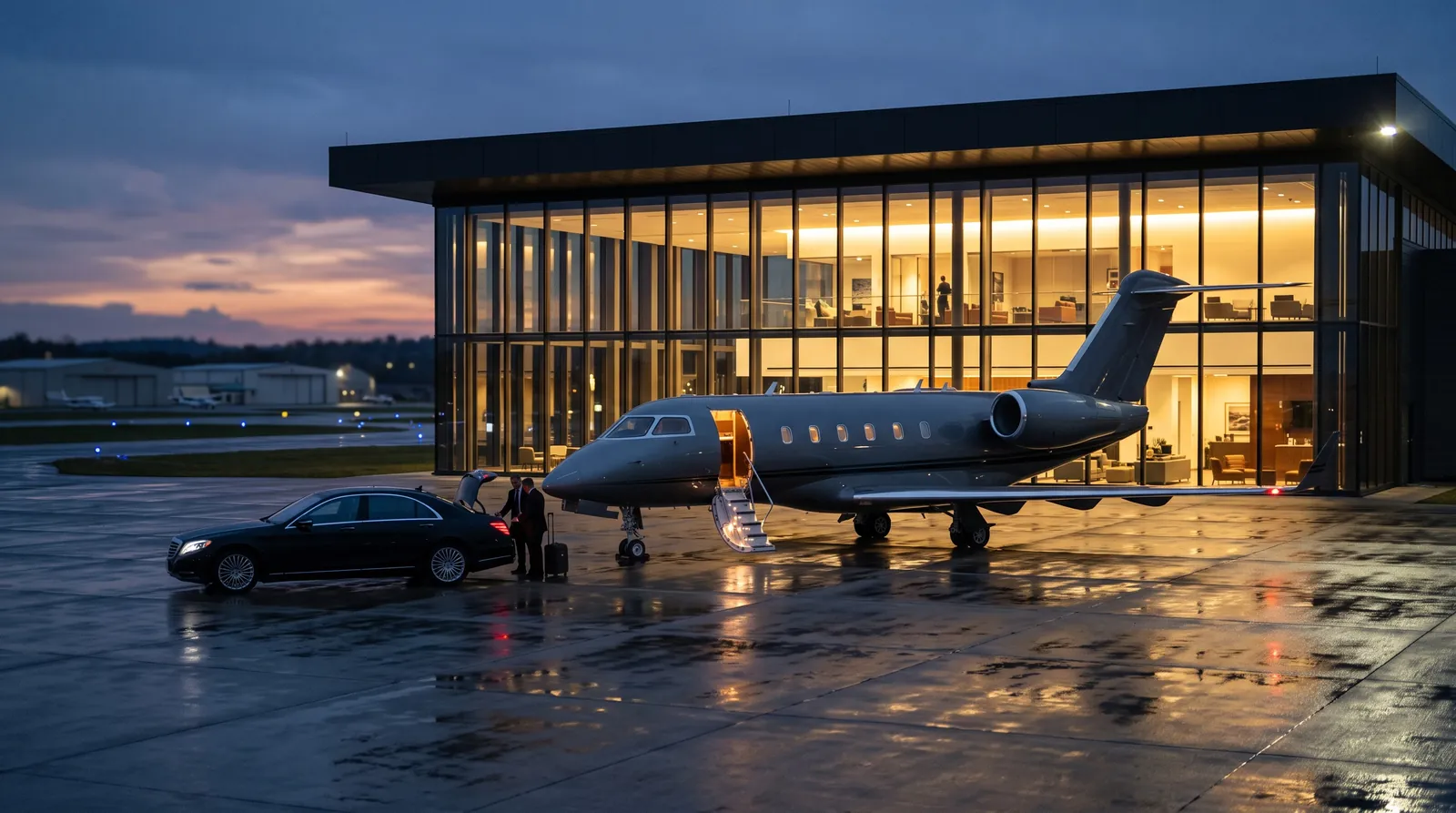
The FBO part of a private flight's cost is a bundle rather than one fee. There is a handling charge for the turnaround, parking or hangar for the time on the ground, the fuel, airport charges such as landing and passenger fees that the FBO often collects on the airport's behalf, and a list of extras from ground power to de-icing. Most of it scales with the size of the aircraft and the time it stays. At many American FBOs, a large part of the handling charge disappears if the crew buys enough fuel.
The handling fee
The handling fee, sometimes called a facility or ramp fee, pays for the turnaround: marshalling, the lounge, baggage handling, coordination of services and the paperwork. It is normally set per arrival and departure, on a scale by aircraft size or maximum take-off weight. A light jet at a regional airport may pay a modest flat charge, while a large-cabin jet at a busy hub in peak season pays many times more. Some FBOs publish their fee schedules; others quote on request.
Fuel and the waiver logic
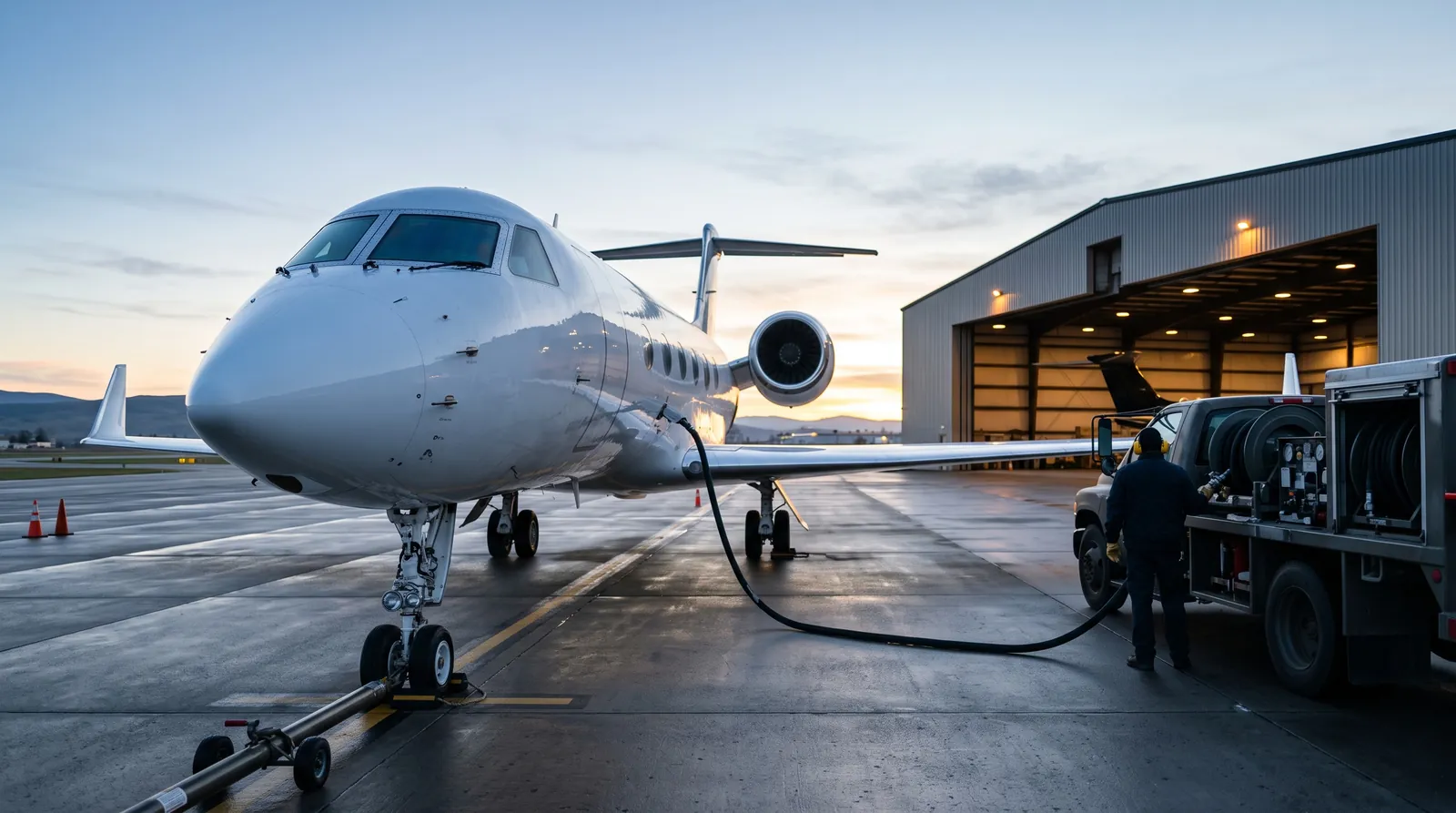
For many FBOs, fuel is the main source of income. That explains the most important rule of thumb in the United States: the handling or facility fee is often reduced or waived if the aircraft buys a minimum quantity of fuel, with the threshold rising with the size of the aircraft. A crew that fills up pays little or nothing for handling. A crew that arrives with full tanks, because fuel was cheaper at the last stop, pays the full fee.
In Europe the link is weaker. Fuel is often supplied by a separate fuel company, and operators buy it under their own contracts or fuel cards, so handling is charged as a separate package. Taxes play a part too: in the EU, fuel for commercial flights is generally exempt from excise duty, while fuel for private non-commercial flights can be taxed, so the same litre can cost different amounts depending on the status of the flight. Fuel quotes may also carry an into-plane fee and, out of hours, a call-out charge.
Parking, hangar and the time on the ground
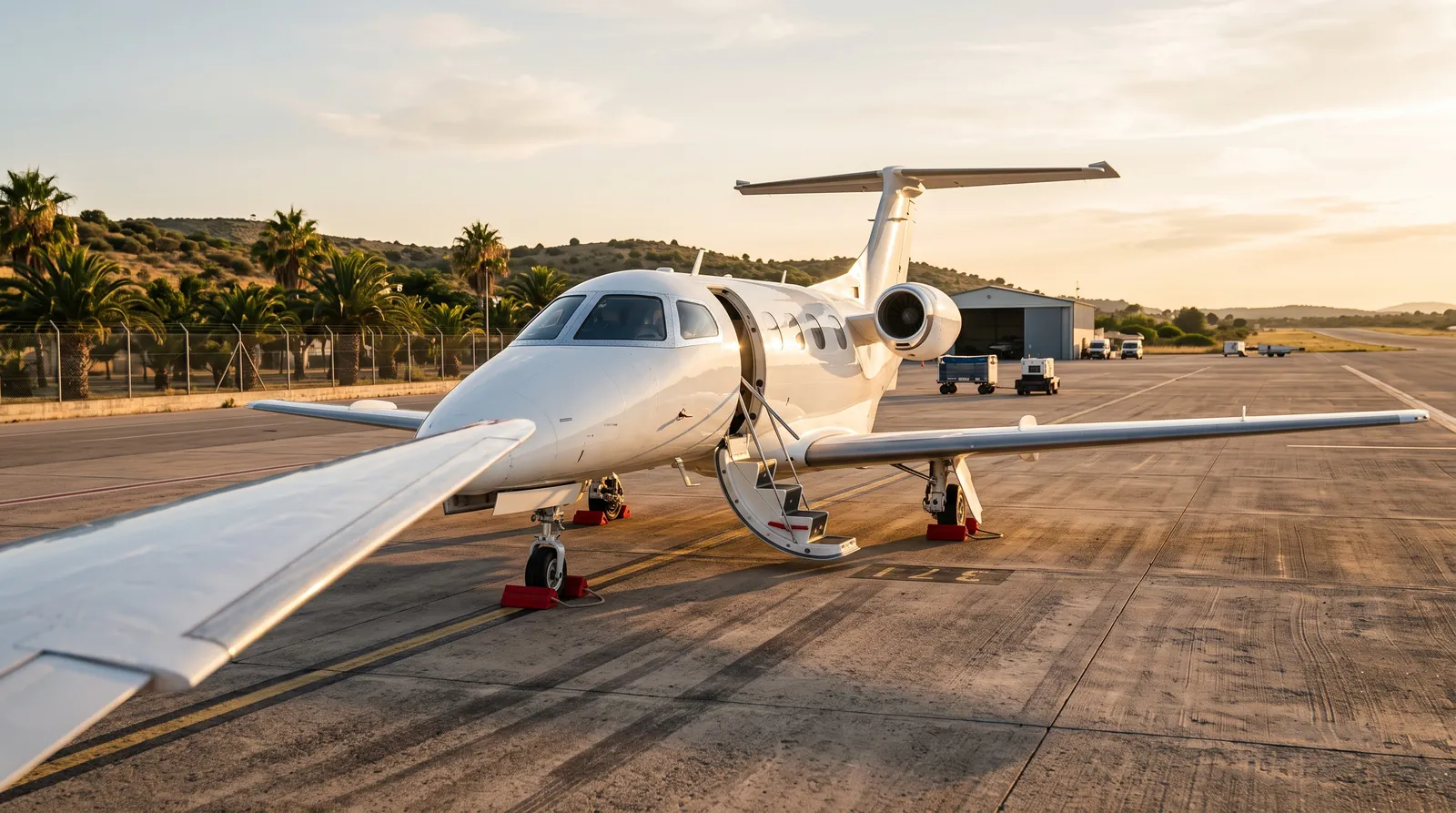
Apron parking is usually charged per night or per 24 hours, often after a short free period, and again by weight. A hangar costs considerably more, and in ski season or at busy summer airports space can be impossible to find at any price. Aircraft staying several days may be repositioned to a cheaper airport and flown back to collect passengers, which is a trade-off the operator weighs against the cost of the extra flights.
Airport charges passed through
Landing fees, passenger charges, security fees and noise surcharges are set by the airport or the state, not by the FBO, but they often appear on the FBO's invoice because it collects them. Passenger charges are levied per departing passenger. Some governments add taxes aimed at business aviation: France raised its passenger solidarity tax sharply in 2025 for commercial business aviation flights departing France, to several hundred euros per passenger for a European destination on a jet. Air navigation charges for the route are separate again and billed to the operator.
| Item | How it is charged | Indicative range |
|---|---|---|
| Handling or facility fee | Per turnaround, by aircraft size | About 150 to 1,000 for a light jet; about 1,000 to 5,000 or more for a large-cabin jet at a busy hub |
| US fuel waiver threshold | Minimum fuel purchase to reduce or waive the fee | From around 100 US gallons for a light jet to several hundred gallons or more for a large jet |
| Apron parking | Per night or per 24 hours, by weight | From under 50 for a light jet at a regional airport to well over 1,000 for a large jet at a busy hub in season |
| Hangar | Per night | From a few hundred to several thousand, highest for large jets in Alpine winter |
| Landing fee | Per landing, by weight, with noise and time surcharges | From tens of euros at a regional field to several hundred or more at a major airport |
| De-icing | Per application, by fluid used | From several hundred for a light jet to several thousand for a large-cabin jet |
The extras that surprise
- Lounge or terminal fees per passenger at some airports, even where the handling fee is paid.
- Catering handling, a delivery or coordination fee on top of the caterer's own invoice.
- Ground power and air conditioning units, charged per hour or per connection.
- Lavatory service and potable water, charged per service.
- After-hours charges for handling, customs or fuel outside the airport's normal hours.
- Crew transport and hotels for an overnight, billed by the FBO or through the operator.
How fees appear on a charter quote
On a charter quote, FBO and airport costs are usually grouped as landing, handling and airport fees, either estimated within the price or shown as a separate line. The variable items, de-icing, an unplanned hangar night, extra catering, waiting time, often come later as post-flight charges. Ask whether the quote is all-inclusive, which items are estimates and which are billed at cost. How quotes are built is covered in What Private Jet Charter Costs, the variable costs in The Charter Contract: Cancellation, De-icing and the Small Print, and a first estimate is available from the Charter Cost Estimator.
Questions
Why do FBOs waive fees if you buy fuel?
Fuel is a main source of income for many FBOs, particularly in the United States. Waiving or reducing the handling fee when an aircraft buys a minimum quantity of fuel rewards customers who bring that income. Aircraft that arrive with full tanks pay the full fee instead.
How much does an FBO charge for a private jet?
It varies widely by airport, season and aircraft size. Indicatively, handling ranges from about 150 for a light jet at a regional airport to 5,000 or more for a large-cabin jet at a busy hub, in euros or dollars, before parking, fuel, airport charges and extras (autumn 2026, before VAT).
Are FBO fees included in a charter price?
Often partly. Landing, handling and airport fees are usually estimated in the quote or shown as a separate line, while variable items such as de-icing, hangar nights and extra catering are frequently billed after the flight. Ask which items are fixed and which are estimates.
Figures checked 19 October 2026. Prices are indicative and never a quote. Seen something out of date? Tell the editors.